
Cider Health Benefits: Are Fermented Apples Good for You? What Science Says ?!
Is cider good for you? Discover what science says about fermented apples, polyphenols, antioxidants, gut health, digestion and heart health.
Cider Health Benefits: Are Fermented Apples Good for You? What Science Says ?
Cider is much more than a traditional alcoholic drink.
Made through the natural fermentation of apples, cider has been enjoyed for centuries across many regions of Europe.
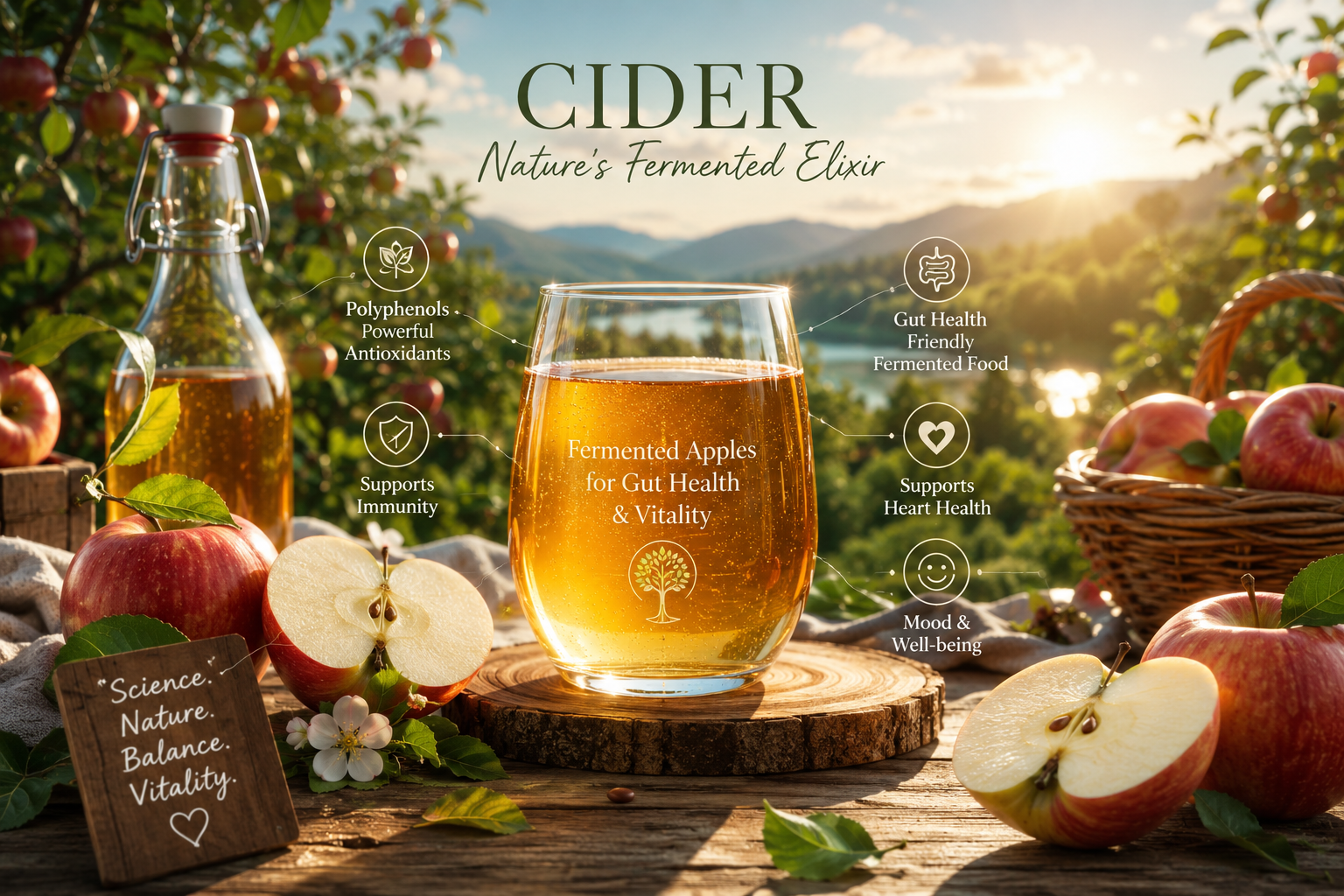
Today, researchers are increasingly interested in the potential health benefits of cider and fermented apples, particularly their polyphenol and antioxidant content and the fascinating biochemical transformations that take place during fermentation.
Fermented apples contain naturally occurring compounds originating both from the fruit itself and from the fermentation process.
Among these compounds, polyphenols have attracted particular scientific attention because of their antioxidant properties.
These molecules can help protect cells against oxidative stress, a biological process associated with cellular aging and the development of several chronic diseases.
Natural fermentation also changes the nutritional and biochemical composition of apples.
It transforms some of the naturally occurring sugars, creates new aromatic compounds, and may influence the bioavailability of certain plant compounds.
These transformations are one reason why traditionally produced craft cider has become an interesting subject of research in nutrition and food science.

Scientists are also exploring the relationship between fermented foods and gut health.
Although filtered cider is generally not considered a significant source of live microorganisms, fermentation-derived compounds and apple polyphenols may interact with the gut microbiome.
This is an evolving field of research, and scientists are continuing to investigate these complex interactions.
However, it is essential to remember that traditional cider is an alcoholic beverage.
The potential benefits associated with some of its plant compounds should therefore never be interpreted as a recommendation to drink alcohol for health reasons.
For people who choose to drink cider, consumption should remain moderate and consistent with public-health guidance.
In the following sections, we will explore cider antioxidants, polyphenols and nutritional composition, as well as its potential relationship with digestion, the gut microbiome and cardiovascular health, based on current scientific knowledge.
Cider Polyphenols: Natural Antioxidants from Fermented Apples.

One of the most interesting nutritional characteristics of cider is its polyphenol content — plant compounds naturally found in apples.
These compounds are widely studied for their antioxidant properties and have become an important area of nutrition and health research.
Cider apple varieties are often richer in polyphenols than conventional dessert apples.
During natural fermentation, some of these compounds are preserved while others are transformed, creating a distinctive profile of bioactive compounds.
Their concentration can vary considerably depending on the apple variety, production method, fermentation time, filtration and other processing techniques.
The antioxidants found in cider can help neutralize free radicals — reactive molecules naturally produced by the body that, when present in excess, can contribute to oxidative stress.
Oxidative stress has been associated with cellular aging and the development of several chronic diseases.
Polyphenols identified in apples and cider include flavanols, phenolic acids and procyanidins.

Research suggests that some of these compounds may contribute to cardiovascular health, support the body’s natural protective mechanisms and influence inflammatory processes.
However, these findings primarily concern the polyphenols themselves. They do not mean that drinking cider automatically produces the same health benefits.
The potential effects of cider polyphenols must also be considered alongside the presence of alcohol in traditional cider.
Health authorities emphasize that alcohol consumption is not completely risk-free.
The presence of potentially beneficial plant compounds therefore does not cancel out the harmful effects associated with excessive alcohol consumption.
From a scientific perspective, cider is particularly interesting because it provides researchers with an opportunity to study both fermented apples and their bioactive compounds, as well as the biological mechanisms involved in fermentation.
This research can help us better understand how plant-based foods and their natural compounds may contribute to a varied and balanced diet.
Next, we will explore the relationship between cider, digestion and the gut microbiome — another rapidly developing area of scientific research.
Cider and Gut Health: What Does Science Say?
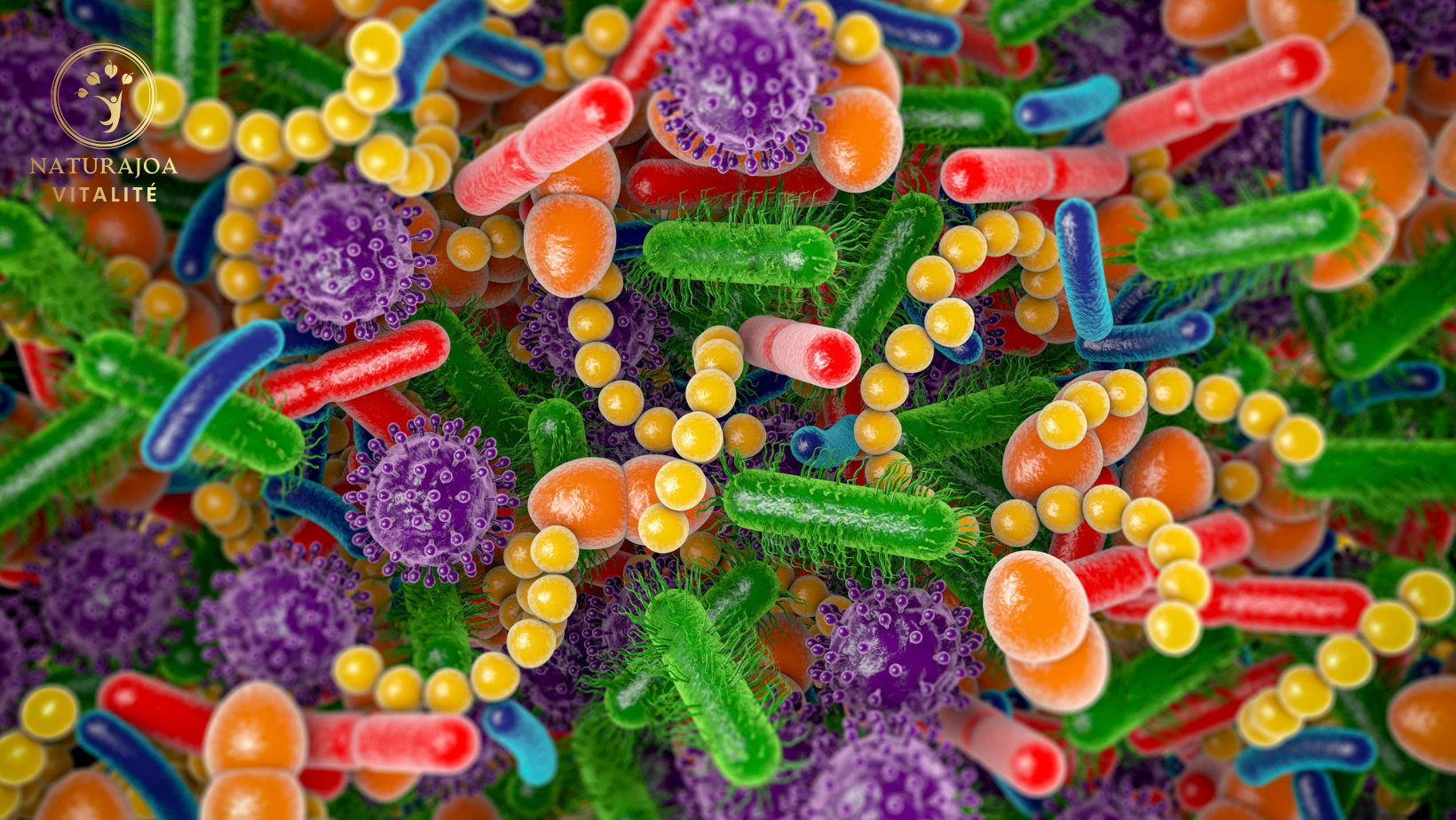
The human gut microbiome, made up of trillions of microorganisms, plays an important role in digestion, immune function, metabolism and overall well-being.
In recent years, scientists have become increasingly interested in the interaction between fermented foods and this complex microbial ecosystem.
Cider, produced through the natural fermentation of apples, contains polyphenols, organic acids and other bioactive compounds that may interact with the gut microbiome.
Research suggests that some polyphenols can reach the colon, where gut bacteria transform them into metabolites that are being investigated for potential biological effects.
At the same time, these plant compounds may influence the composition and activity of intestinal bacteria.
Apples are also naturally rich in pectin, a soluble fiber well known for its role in digestive and gut health.
Cider contains far less fiber than whole apples because much of it is removed during pressing and filtration. However, some plant-derived compounds remain, particularly in less-filtered ciders.
Unlike fermented foods such as yogurt or kefir, traditional cider is generally not considered a significant source of live microorganisms by the time it is consumed, particularly when it has been filtered or pasteurized.
Any potential effects on gut health are therefore more likely to be associated with its bioactive compounds rather than a direct probiotic effect.
Researchers are also investigating how polyphenols may influence oxidative stress and inflammatory processes, both of which can interact with gut microbiome health.

However, results vary between studies, and more research is needed to fully understand these complex interactions.
It is also important to remember that cider contains alcohol.
Although some compounds found in fermented apples are nutritionally interesting, excessive alcohol consumption may negatively affect the gut microbiome, weaken the intestinal barrier and harm digestive health.
Balance, moderation and a diet rich in fruits, vegetables and fiber remain the foundations of a healthy gut microbiome.
Next, we will examine the potential relationship between cider and cardiovascular health, focusing on what research tells us about apple polyphenols, blood vessels and the heart.
Cider and Heart Health: What Role Do Apple Polyphenols Play?

Cardiovascular disease remains one of the leading causes of death worldwide.
For this reason, scientists have long been interested in foods rich in polyphenols — naturally occurring plant compounds found in apples and partly retained during cider production.
Polyphenols have antioxidant properties that can help protect cells against oxidative stress.
Some studies suggest that they may also support healthy endothelial function. The endothelium is the thin layer of cells that lines the inside of blood vessels.
Healthy endothelial function plays an important role in blood circulation and the regulation of blood pressure.
Researchers are also investigating how polyphenols may influence chronic low-grade inflammation, a biological process involved in the development of atherosclerosis.
Experimental research suggests that certain compounds found in apples may help limit the oxidation of LDL lipoproteins, a mechanism considered relevant to atherosclerotic plaque formation.
However, these findings do not prove that drinking cider itself protects against cardiovascular disease.
It is essential to distinguish the potential effects of apple polyphenols from the effects of alcohol.
Although plant compounds derived from apples are scientifically interesting, alcohol consumption is associated with health risks, particularly as consumption increases.
Current scientific evidence therefore does not justify recommending alcoholic beverages as a strategy for cardiovascular disease prevention.
For people who choose to drink cider, selecting a traditionally made cider produced from quality apples and enjoying it occasionally can allow its flavors to be appreciated while limiting alcohol exposure.
The bigger picture remains far more important: a varied diet rich in fruits, vegetables, legumes, whole grains and healthy sources of unsaturated fats, combined with regular physical activity.
In summary, cider is scientifically interesting because of its apple-derived polyphenols and plant origin.
However, the potential benefits being investigated primarily concern these bioactive compounds and should never overshadow the risks associated with alcohol.
Cardiovascular health depends above all on an overall healthy and balanced lifestyle.
Next, we will explore how apple fermentation changes the composition of apple juice — and why this natural process continues to fascinate scientists.
Apple Fermentation: How Apples Naturally Become Cider.

Apple fermentation is a natural biological process that transforms apple juice into cider.
Used for thousands of years, this process relies on yeasts that convert some of the naturally occurring sugars in apples into alcohol, carbon dioxide and a wide range of aromatic compounds.
But fermentation does much more than simply transform sugar into alcohol.
It significantly changes the biochemical composition of apple juice.
Polyphenols, organic acids and numerous plant compounds evolve throughout fermentation, helping give cider its distinctive chemical and sensory profile.
Scientists study these transformations to better understand their effects on the nutritional and sensory properties of fermented apple beverages.
The choice of cider apples also plays an essential role.
Some traditional cider apple varieties are naturally rich in tannins, polyphenols and aromatic compounds.
This diversity helps explain why different ciders can have remarkably different characteristics depending on apple variety, terroir, climate, growing practices and the producer’s expertise.
During fermentation, new molecules are formed that contribute to the fruity, floral and spicy aromas associated with traditional craft cider.
This aromatic complexity results from intricate interactions between yeasts, sugars, acids and naturally occurring apple compounds.
Researchers are also interested in how fermentation affects the preservation and transformation of apple antioxidants and polyphenols.
Although their concentrations vary according to production methods, these compounds remain an important focus of research into plant-based fermented foods and beverages.

However, it is important to remember that fermentation also produces alcohol.
The potential benefits associated with bioactive compounds in apples should therefore never be interpreted as an encouragement to consume more alcoholic beverages.
Public-health principles remain the same: if someone chooses to drink cider, it should be consumed responsibly and in moderation.
Apple fermentation perfectly illustrates the fascinating meeting point between nature, microbiology and tradition.
It transforms a simple fruit into a beverage with a complex aromatic profile, while continuing to attract scientific interest because of its natural compounds and the transformations they undergo.
Understanding this process helps explain why cider is more than fermented apple juice: it is the result of a complex interaction between fruit, microorganisms, time and human craftsmanship.
Can Cider Help With Constipation? What the Evidence Says ?!

Constipation affects millions of people worldwide and can have many causes, including a low-fiber diet, inadequate hydration, insufficient physical activity, certain medications and changes in the gut microbiome.
Traditional beliefs have sometimes associated craft cider with easier or more comfortable digestion.
But can cider actually help with constipation? What does science say?

Whole apples are naturally rich in pectin, a soluble fiber known for its role in digestive health and normal bowel function.
However, during cider production, much of the fiber is removed through pressing and filtration.
Cider therefore contains considerably less fiber than a whole apple.
Natural fermentation does produce organic acids and other bioactive compounds that may influence digestive processes in some individuals.
There are also observations suggesting that some unfiltered ciders may be perceived as easier to digest, but scientific evidence remains limited.
For some people, a small amount of cider consumed with a meal may be associated with a subjective feeling of easier digestion.
However, this response varies considerably between individuals and cider should not be considered a treatment for constipation.
In fact, excessive alcohol consumption may contribute to dehydration, which can potentially make constipation worse.
For this reason, cider is not recommended as a therapeutic solution for constipation.
The most effective lifestyle strategies for supporting healthy bowel movements remain:
- Eating enough dietary fiber from fruits, vegetables, legumes and whole grains.
- Drinking enough water throughout the day.
- Getting regular physical activity.
- Allowing enough time for bowel movements and avoiding repeatedly ignoring the urge to go.
- Supporting a diverse gut microbiome through a varied, plant-rich diet.
Traditional craft cider can have a place in a convivial meal for people who choose to drink alcohol.
But when it comes to constipation and long-term digestive health, there is no substitute for a fiber-rich diet, adequate hydration and an active lifestyle.
Conclusion: Cider at the Crossroads of Tradition, Science and Pleasure !

For centuries, cider has been part of meals, celebrations and traditions across many regions of the world.
Made from fermented apples, cider represents an ancient form of craftsmanship that continues to interest scientists because of its polyphenols, antioxidants and other plant-derived compounds.
Current scientific research shows that the apples used to make cider contain bioactive molecules being studied for their potential role in protecting against oxidative stress and supporting different aspects of human health.
Natural fermentation also transforms these compounds, creating a distinctive biochemical profile that continues to be investigated by researchers.
However, it is essential to distinguish the potential effects of apple polyphenols from the effects of alcohol.
At present, health authorities do not recommend drinking cider as a way to improve health.
The potential benefits being studied primarily concern compounds naturally found in apples, while alcohol remains associated with health risks that increase with greater consumption.
For adults who choose to enjoy cider, selecting a traditionally produced craft cider made from quality apples and enjoying it occasionally can be a way to appreciate its aromatic complexity within an otherwise balanced lifestyle.
At Naturajoa, we believe that health never depends on a single food or drink, but rather on the combination of our everyday habits:
- a diet rich in fruits and vegetables,
- regular physical activity,
- restorative sleep,
- healthy stress management and the pleasure of sharing meaningful moments with others.

Cider reminds us that a simple fruit, transformed by nature and time, can become a symbol of the meeting between tradition, microbiology, gastronomy and cultural heritage.
Understanding how cider is made, its history and its composition allows us to appreciate it with greater awareness and respect.
Balance is the true key to vitality.
No single food is inherently miraculous. Our health is built through our lifestyle as a whole, one choice at a time.
At Naturajoa, our mission is to help you make informed choices inspired by science, nature and respect for all living beings.
Because vitality is a journey — and every small step matters. 🌿💚
❓ FAQ – Cider Health Benefits, Fermented Apples & Gut Health.

Is cider good for you?
Cider naturally contains polyphenols, antioxidants and compounds produced during apple fermentation.
These compounds are being studied for their potential effects on oxidative stress, the gut microbiome and cardiovascular health.
However, traditional cider is also an alcoholic beverage.
The potential benefits associated with its plant compounds should therefore not be interpreted as a reason to drink alcohol for health purposes.
If you choose to drink cider, moderation and responsible consumption remain essential.
What are the potential benefits of fermented apples?
Fermentation naturally transforms apples by creating new aromatic compounds and organic acids while also modifying some of the polyphenols originally present in the fruit.
Fermented foods and beverages are being studied for their nutritional properties and their potential interactions with the gut microbiome.
Fermented apple products may also retain some of the antioxidant compounds naturally found in apples.
Does cider contain antioxidants?
Yes. Cider contains several naturally occurring antioxidant compounds, particularly polyphenols derived from apples.
Their concentration depends on multiple factors, including the apple variety, production method, fermentation process, filtration and pasteurization.
Traditional cider apple varieties can be particularly interesting because some contain higher concentrations of polyphenols than conventional dessert apples.
Is cider good for gut health?
Cider is generally not considered a probiotic beverage, particularly when it has been filtered or pasteurized, because it may contain few or no significant quantities of live microorganisms by the time it is consumed.
However, apple polyphenols and certain compounds produced during fermentation may interact with the gut microbiome.
Scientists continue to investigate these interactions and how polyphenols are metabolized by intestinal bacteria.
For gut health, a varied diet rich in fruits, vegetables, whole grains, legumes and fiber remains far more important than any single food or beverage.
Is cider a probiotic?
Not usually.
Although cider is produced through fermentation, fermented does not automatically mean probiotic.
Filtration, pasteurization and other production processes can greatly reduce or eliminate live microorganisms.
The scientific interest surrounding cider and gut health is therefore more closely related to apple polyphenols and fermentation-derived compounds than to a direct probiotic effect.
Is cider healthier than wine or beer?
There is no universal answer because cider, wine and beer have different nutritional and phytochemical profiles.
Cider is made from apples and contains apple-derived polyphenols, while wine contains grape polyphenols and beer contains compounds derived from malt and hops.
However, all three are alcoholic beverages.
The presence of plant compounds in one beverage does not make alcohol itself beneficial, and potential differences should always be considered alongside alcohol content and the amount consumed.
Does cider make you gain weight?
Like other beverages containing alcohol and residual sugars, cider provides calories.
Its impact on body weight depends largely on how much and how often it is consumed, as well as overall energy intake, diet and physical activity.
Occasional cider consumption within an otherwise active and balanced lifestyle is only one part of the much larger picture of long-term weight management.
Can cider help with constipation?
Cider should not be considered a treatment for constipation.
Whole apples naturally contain pectin, a soluble fiber that supports normal bowel function, but much of this fiber is removed during cider pressing and filtration.
Although fermentation produces organic acids and other compounds that may influence digestion in some people, scientific evidence supporting cider as a constipation remedy remains limited.
Excessive alcohol consumption may also contribute to dehydration, which can potentially worsen constipation.
For healthy bowel movements, fiber, adequate hydration and regular physical activity remain much more important.
What is the difference between apple juice and cider?
Apple juice is produced by pressing apples without alcoholic fermentation.
It therefore retains more of its natural sugars and does not contain alcohol unless fermentation occurs.
Traditional alcoholic cider, by contrast, undergoes fermentation, during which yeasts convert some of the apple sugars into alcohol, carbon dioxide and aromatic compounds.
This fermentation process also changes the beverage’s biochemical and nutritional profile.
Is craft cider better for you?
Craft cider is often produced from traditional cider apple varieties using less industrialized production methods.
Some minimally filtered ciders may retain more naturally occurring apple compounds, including certain polyphenols.
However, composition varies considerably between producers, and the term “craft” or “artisanal” does not automatically guarantee superior nutritional quality.
What polyphenols are found in cider?
Cider can contain several apple-derived polyphenols, including flavanols, procyanidins, phloridzin, quercetin, chlorogenic acid and other phenolic acids.
These compounds are studied for their antioxidant properties and their potential role in protecting cells against oxidative stress.
The exact polyphenol profile of cider depends on the apple varieties used and how the cider is fermented, processed and filtered.
Are cider polyphenols good for the heart?
Apple polyphenols are being investigated for their potential relationship with cardiovascular health, oxidative stress, inflammation and endothelial function.
However, evidence concerning polyphenols should not be interpreted as proof that drinking alcoholic cider prevents cardiovascular disease.
The potential biological effects of apple compounds and the health effects of alcohol need to be considered separately.
Does fermentation make cider healthier than apples?
Not necessarily.
Fermentation creates and transforms various compounds, but whole apples retain important nutritional advantages, particularly their fiber and pectin content.
Cider contains far less fiber than whole fruit because much of it is removed during pressing and filtration.
Rather than viewing one as universally “healthier,” it is more accurate to understand apples and fermented cider as nutritionally different products.
Can you drink cider every day?
Public-health recommendations do not encourage daily alcohol consumption for health purposes.
Even though cider contains interesting plant compounds, alcohol itself carries health risks.
If you enjoy cider and choose to drink alcohol, it is better to view it as an occasional beverage rather than a daily health habit.
💚 The Naturajoa Tip: Vitality Is Bigger Than Any Single Food !

The real secret to lasting vitality does not lie in one “superfood,” one supplement or one beverage.
It comes from your lifestyle as a whole.
A plant-rich diet, regular physical activity, restorative sleep, healthy stress management and the pleasure of sharing meaningful moments with others remain the foundations of long-term health and vitality.
Science helps us understand individual foods. Wisdom comes from seeing the bigger picture.
At Naturajoa, we believe it is possible to bring science, nature, pleasure and balance together to make more informed choices for everyday well-being. 🌿💚
📚 Scientific References.
1. Microorganisms in Fermented Apple Beverages: Current Knowledge and Future Directions 👉 Read the scientific study
2. Apples and Cardiovascular Health—Is the Gut Microbiota a Core Consideration? 👉 Read the scientific study
3. Phenolic Compounds and Antioxidant Activity of Apples and Their Benefits for Human Health 👉 Read the scientific study
4. Polyphenols and Human Health: Prevention of Disease and Mechanisms of Action 👉 Read the scientific study
5. Fermented Foods, the Gut and Mental Health 👉 Read the scientific study
6. Apple Polyphenols and Their Beneficial Effects on Human Health 👉 Read the scientific study


🌿 You May Also Enjoy These Articles
🍎 1. Apple Health Benefits: Why Apples Are One of the Healthiest Fruits
👉 Discover how apple polyphenols, pectin, fiber and antioxidants may support heart health, the gut microbiome and metabolic health.
🦠 2. Gut Microbiome: A Complete Guide to Better Digestive Health
👉 Learn why a balanced gut microbiome can influence digestion, immunity, metabolism, energy and overall well-being — and why polyphenol-rich plant foods are attracting so much scientific attention.
🥝 3. Kiwi Health Benefits: A Powerful Fruit for Digestion, Immunity and Vitality
👉 Discover why kiwi is particularly interesting for digestive health thanks to its fiber, vitamin C and antioxidant content.
🌱 4. Fermented Foods and Gut Health: Why Scientists Are So Interested in Fermentation
👉 Kefir, sauerkraut, kimchi, miso, kombucha and other fermented foods: discover how fermentation transforms food and why these foods are being studied in relation to the gut microbiome and health.
❤️ 5. Polyphenols: The Natural Antioxidants Found in Plant Foods
👉 Quercetin, catechins, procyanidins and chlorogenic acid: explore how these fascinating plant compounds are studied for their antioxidant properties and their interaction with oxidative stress.
⚡ 6. How to Achieve Radiant Vitality in 12 Weeks Without Giving Up Pleasure
👉 Discover the Naturajoa Method and explore a holistic approach to lasting energy through nutrition, gut health, restorative sleep, movement and stress management.

💚 Did You Enjoy This Article?
Did you enjoy “Cider Health Benefits: Are Fermented Apples Good for You? What Science Says”?
Continue exploring the Naturajoa universe with these articles on global vitality, conscious living, resilience and sustainable well-being:
- World Peace: The Result of Our Inner Vitality
- Hate Speech: When Your Vital Energy Is Running on Empty
- From Utopia to Vitality: Why Challenge Builds Resilience — Daily Hormesis and the Power of Discomfort
- The Hawkins Scale of Consciousness: A Key to Lasting Peace
- The Power of Holistic Cleansing: Living in Harmony With Natural Principles
- Global Vitality Through Dynamic Economic Cooperation
- Cultivating Inner Strength for Global and Sustainable Vitality
- Two Forces, One Humanity: Understanding the Shadow to Choose the Light
🌍 The Naturajoa Philosophy
Vitality is not built through perfection. It is built through conscious choices repeated every day.
At Naturajoa, we see health as something much bigger than nutrition alone.
True vitality emerges from the relationship between nutrition, movement, sleep, the gut microbiome, emotional balance, nature, meaningful relationships and the environment in which we live.
Science helps us understand the mechanisms. Nature reminds us where we come from. Experience teaches us how to bring the two together.
🌿 Science. Nature. Balance. Joy. Respect for Life.
The goal is not to search endlessly for one miraculous food, one perfect routine or one universal solution.
It is to understand our bodies better, respect the living world around us and create a sustainable form of vitality that supports both human well-being and the health of our planet.
Because lasting vitality begins with the choices we make today. 💚
✨ Explore the Naturajoa Power eBooks
If this article inspired you to look at vitality differently, I invite you to continue the journey.
My eBooks are designed to help you build stronger, more stable and more conscious energy while exploring nutrition, resilience, personal transformation and a deeper connection with the living world.
🌍 A journey toward greater vitality — in harmony with yourself, other living beings and the Earth.
Joanna Anna Romanowska – naturajoa.com
Global Vitality · Respect for Life · Joy of Living

🐉✨ Discover My Power eBooks
With my animals by my side, I invite you to explore the Naturajoa Power eBooks.
Each page was created to help you reconnect with your inner energy, expand your awareness and move toward meaningful transformation with clarity, balance and joy.
🌍 Welcome to the Naturajoa universe — where vitality, science, nature and respect for life come together.
Joanna Anna Romanowska • naturajoa.com
💚 Share the Vitality
If you enjoyed “Cider Health Benefits: Are Fermented Apples Good for You? What Science Says”, feel free to share it with someone who might enjoy discovering the fascinating science behind apples, fermentation and polyphenols.
You can also follow Naturajoa to discover more science-inspired content about nutrition, gut health, movement, nature and global vitality.
Knowledge becomes even more powerful when it is shared. 🌿💚
This was:
“Cider Health Benefits: Are Fermented Apples Good for You? What Science Says”
Science · Nature · Balance · Global Vitality
Joanna Anna Romanowska · Naturajoa

Did you enjoy : » Cider Health Benefits: Are Fermented Apples Good for You? What Science Says ?! » ?
Here are 3 more articles you may also enjoy:
- Naturopathy: When Personal Vitality Becomes a Force for the Planet.
- The Desire Paradox: When Wanting Too Much Suffocates Joy !
- Açaí Power: Energy, Strength and Longevity !

This was :
» Cider Health Benefits: Are Fermented Apples Good for You? What Science Says ?! «

P.S. If you enjoyed this article, » Cider Health Benefits: Are Fermented Apples Good for You? What Science Says ?! « , please click « Follow the Page » and share it. It would truly make me happy. 🙂
Click » Follow the Page » so we can connect on Facebook. 🙂

Informational Notice.
The information shared on this website is provided for educational and informational purposes only, based on my personal experience and research in natural health.
It does not constitute medical advice.
For any health concerns, please consult a qualified healthcare professional.
My intention is to share knowledge, inspire others, and contribute to a Global Dialogue on Vitality and Well-being.
🐉 Important Information
Disclaimer.
The content, advice, programs, and coaching services provided by Naturajoa Vitality — Joanna Anna Romanowska are intended to inform, inspire, and support a holistic approach to well-being and vitality.
They do not constitute medical diagnosis, medical treatment, or personalized medical advice, and are not a substitute for consultation with a physician or qualified healthcare professional.
Each individual remains fully responsible for their own choices, decisions, and the way they apply the information provided, as well as for any physical, emotional, or psychological responses.
The guidance offered provides tools, ideas, and educational resources, but cannot guarantee any specific results, as outcomes depend on many individual factors, including health status, lifestyle, environment, and personal commitment.
By participating in the programs, reading the materials, joining challenges, receiving guidance, or applying any of the shared advice, each participant acknowledges that they are acting knowingly and entirely at their own responsibility.
Naturajoa Vitality and Joanna Anna Romanowska cannot be held liable for any adverse effects, injuries, losses, damages, or direct or indirect consequences resulting from the use of the information or recommendations provided.
It is recommended that you seek advice from your physician or another qualified healthcare professional before making significant changes to your diet, physical activity, or lifestyle, especially if you are pregnant, living with a medical condition, or undergoing medical treatment.
Naturajoa Vitality • naturajoa.com


You May Also Like

Autophagie et Vitalité : Comment Activer le Recyclage Cellulaire Naturellement ?

L’Importance Vitale d’une Ville Sans Pollution pour Ses Habitants