

Disrespecting Natural Resources: The Race for Possession vs. Sustainable Abundance — How Human Nature Threatens Planetary Balance ?
In our relentless quest for resources, it is essential to fully understand the concept of abundance, a fundamental pillar for ensuring our long-term survival.
While the specific details of our daily consumption may seem insignificant, adopting a global perspective reveals a far more complex and interconnected reality.
Abundance is not limited to the simple accumulation of material goods; it encompasses a delicate balance between ecosystems, natural cycles, and human needs.
Understanding this concept means moving beyond the fragmented view of each resource in isolation and embracing the entirety of the interactions that ensure the sustainability of vital systems.
By contrasting the relentless race for possession with the lasting wealth offered by nature, we are invited to rethink our priorities and our ways of life.
To better understand this dynamic, here are three key points to consider:
The distinction between local availability and global abundance.
The cumulative impact of small actions on ecological balance.
The importance of collective and responsible resource management.
Human nature and the thirst for possession: a paradox to resolve.

Human nature is marked by a profound duality: on one hand, an ability to adapt and cooperate that supports collective survival; on the other, an insatiable thirst for possession that often leads to the overexploitation of resources.
This paradox can partly be explained by ancestral psychological mechanisms in which accumulating possessions meant ensuring one’s security in the face of uncertainty.
However, in today’s context of potential abundance, this tendency becomes problematic because it conflicts with the imperatives of sustainability.
The thirst for possession, although natural, can become an obstacle to responsible resource management.
It is crucial to understand that this desire is not limited to material necessity but is also rooted in social and cultural dimensions, such as status or recognition.
Resolving this paradox therefore requires a multidimensional approach, combining education, changes in social norms and a reassessment of our values.
By encouraging fulfillment through sharing and moderation, it becomes possible to harmonize human nature with the demands of sustainable abundance, thereby transforming an ancient challenge into an opportunity to build a future that respects the planet.
The impact of disrespect for resources on our planet and our future.

Disrespect for natural resources is not merely an isolated environmental problem; it also generates profound consequences within human communities.
When resources are overexploited or wasted, an entire social fabric suffers, particularly the most vulnerable populations who depend directly on these resources for their livelihoods.
Soil degradation, water pollution, and the loss of biodiversity affect quality of life, health, and the food security of local communities.
Moreover, this degradation can lead to social tensions, forced displacement, and increased inequality, often fueling conflicts over access to remaining resources.
Faced with these challenges, it is essential that communities adopt a supportive and responsible approach to protect their environment and ensure a sustainable future.
Indeed, collective and respectful resource management not only protects the planet, but also helps strengthen social cohesion and community resilience.
Here are some major impacts to consider:
- Deterioration of local populations’ living conditions
- Increase in social and economic inequalities
- Increased risk of conflicts related to access to resources
- Loss of traditional and cultural knowledge connected to nature
- Need for stronger cooperation for sustainable management
- Towards a balanced use of resources: sustainable principles and practices

Adopting a balanced use of resources requires a deep understanding of their limits and renewability.
First of all, it is crucial to identify the fundamental principles that guide sustainable management.
Among them, reducing waste, reusing materials, and recycling play a key role in minimizing our ecological footprint.
Box 1: The pillars of sustainable management
Reduction: Limit excessive consumption.
Reuse: Give resources a second life.
Recycling: Transform waste into new materials.
Next, putting these principles into practice requires concrete actions at different levels, ranging from individual actions to public policies.
For example, encouraging local supply chains helps reduce transportation and therefore carbon impact, while companies can integrate environmental criteria into their production processes.
Box 2: Examples of sustainable practices
Favor local and seasonal products.
Optimize the energy efficiency of infrastructure.
Raise awareness and train stakeholders in environmental responsibility.
Finally, a lasting balance requires collaboration among social, economic, and political stakeholders to ensure collective management suited to today’s challenges. This path toward balanced resource use is essential to ensure sustainability in the face of growing pressures on our planet.
Cultivating mutual respect and ecological awareness for a better world.

To build a harmonious future, it is essential to cultivate mutual respect among individuals as well as a deep ecological awareness.
This duo forms the foundation of a society capable of valuing not only natural resources, but also the human relationships that shape our daily lives.
Adopting a respectful attitude means recognizing that every action, no matter how small, can influence the fragile balance of our environment.
For example, by choosing responsible actions such as reducing waste or encouraging recycling.
We all contribute to preserving the planet.
Moreover, ecological awareness invites us to understand the interdependence between living beings and their habitats, fostering genuine empathy for nature and its cycles.
By embracing these values, we encourage authentic collaboration, where everyone feels like an active participant in positive change.
This collective and caring approach paves the way for a world where sustainable abundance becomes accessible to everyone, without compromising future generations.
Thus, by combining mutual respect with environmental awareness, we lay the foundations for a fairer, more balanced and hopeful future.
Changing perspective: how to transform possession into sharing and abundance.

To truly change our relationship with resources, we must first be willing to step outside our comfort zone, often rooted in the idea that individual ownership is synonymous with security and success.
This paradigm, although deeply rooted, limits our ability to imagine an alternative model where sharing becomes the norm rather than the exception.
Daring to question this habit requires courage: it means giving up a certain form of control and embracing collective trust in the shared management of resources.
Transforming possession into sharing also means learning to value abundance not as personal accumulation, but as wealth accessible to everyone, capable of strengthening social bonds and preserving ecosystems.
This change in perspective requires us to rethink our daily behaviors and consumption patterns, but above all, our mindsets.
For example, prioritizing lending, sharing goods, or local exchange systems not only helps reduce waste, but also creates a dynamic of mutual aid and solidarity.
This challenge is both individual and collective: everyone must commit to overcoming their fears and resistance in order to build a society where sustainable abundance is no longer a distant ideal, but a shared reality.
By accepting this challenge, we open the way to a more harmonious future that respects the resources surrounding us.
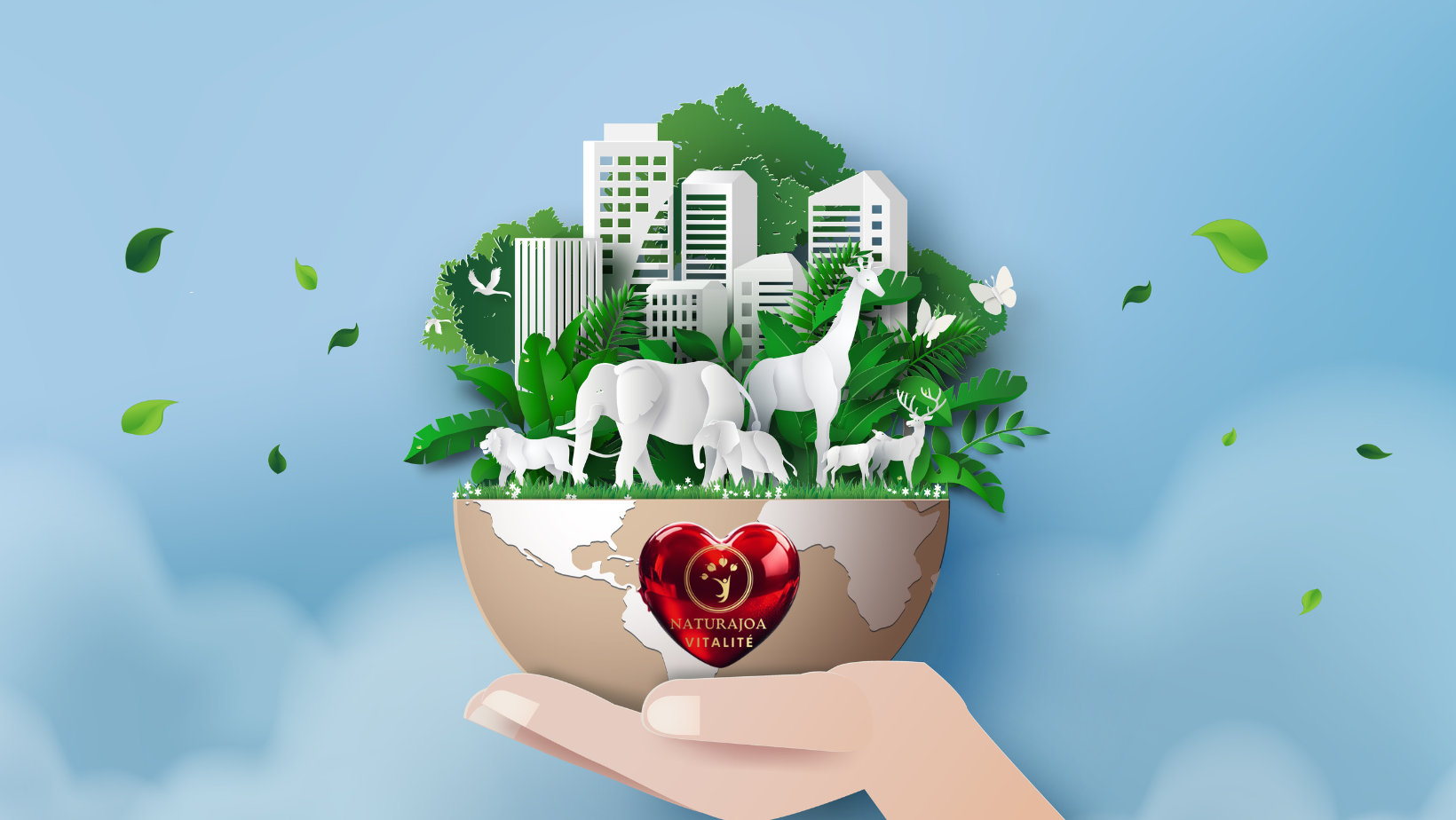
In conclusion, sustainable abundance cannot be achieved without individual and collective commitment based on respect and responsibility toward our resources.
Every action, no matter how modest, contributes to preserving the fragile balance of our environment and ensuring a viable future for generations to come.
Respecting natural limits, combined with shared awareness, invites us to rethink our lifestyles and adopt more responsible practices.
Responsibility, in turn, means recognizing the impact of our actions and deliberately choosing behaviors that promote sustainability.
Thus, by combining respect and responsibility, we can reverse the trend toward overexploitation and build a society where abundance is synonymous with sharing and equity.
This path requires a profound transformation of our values, but it is essential to ensure the sustainability of resources and quality of life on our planet.

Acting together starting today is essential to preserve lasting global vitality.
Here are a few quick tips to contribute effectively to this cause:
Raise awareness among those around you by sharing information about the importance of responsible resource management.
Practice responsible consumption by prioritizing local, sustainable products and reducing waste.
Participate in collective initiatives such as cleaning natural spaces or community gardens.
Adopt eco-responsible daily habits, such as reducing water and energy consumption.
Encourage dialogue within your community to strengthen cohesion around environmental issues.
Support policies and companies committed to sustainable development.
Together, every action counts and can make a real difference.
Commit now to a future where abundance is synonymous with respect and sustainable sharing.

Did you enjoy » Disrespect for Resources: The Race for Possession Versus Sustainable Abundance. How Does Human Nature Compromise Planetary Balance?! « ?
Here are 8 other articles you may enjoy:
-
-
- World Peace: The Result of Our Inner Vitality
- Hateful Speech: When Your Vital Energy Cries Out in Hunger
- Rethinking the Defense Industry: Serving Peace and Human Vitality
- Global Health and Natural Order: When Balance Becomes an Act of Citizenship. Progress and Respect: Toward a New Ecological and Social Order
- The Power of the Warrior Diet: Individual Strength in Service of Unity and Global Health. The Warrior Diet as a Path to Harmony
- Global Contribution and Improvement: When Passion for Life Inspires Improvement and Contribution to Society’s Well-Being
- Solidarity and Fraternity: The Invisible Pillars of Mental Health: The Vital Role of Support in Global Health
- The Shadow: Understanding the Self-Destructive Force to Preserve Vital Energy and Build a Future of Abundance
-

That was: » Disrespect for Resources: The Race for Possession Versus Sustainable Abundance. How Does Human Nature Compromise Planetary Balance?! «

P.S. If you enjoyed this article, » Disrespect for Resources: The Race for Possession Versus Sustainable Abundance. How Does Human Nature Compromise Planetary Balance?! « , click on Follow the Page and share it. I would be delighted 🙂




Click on « Follow the Page » so we can connect on Facebook 🙂
















The information shared on this website is provided for informational purposes only and is based on my personal experience and research in natural health.
It does not constitute medical advice in any way.
For any health concern, please consult a qualified healthcare professional.
My intention is to share, inspire, and contribute to a global dialogue on vitality and well-being.


You May Also Like

Repenser l’Abondance : Respect, Intelligence et Vie pour Tous. Abondance Durable : Une Question d’Équilibre et de Conscience.

La Diversification Culturelle Comme » Nourriture Mentale « , Cultiver la Diversité, Préserver la Santé : Le Rôle Vital du Patrimoine dans l’Harmonie Globale.