What If the Earth Needed What Our Body Needs? When Human Vitality Meets Planetary Health.
What if the Earth needed what our bodies need? Explore the powerful connection between human vitality, planetary health, sustainable living, nutrition, biodiversity and the gut microbiome.
Breathe. Nourish yourself. Stay hydrated. Eliminate. Regenerate. Find your balance.
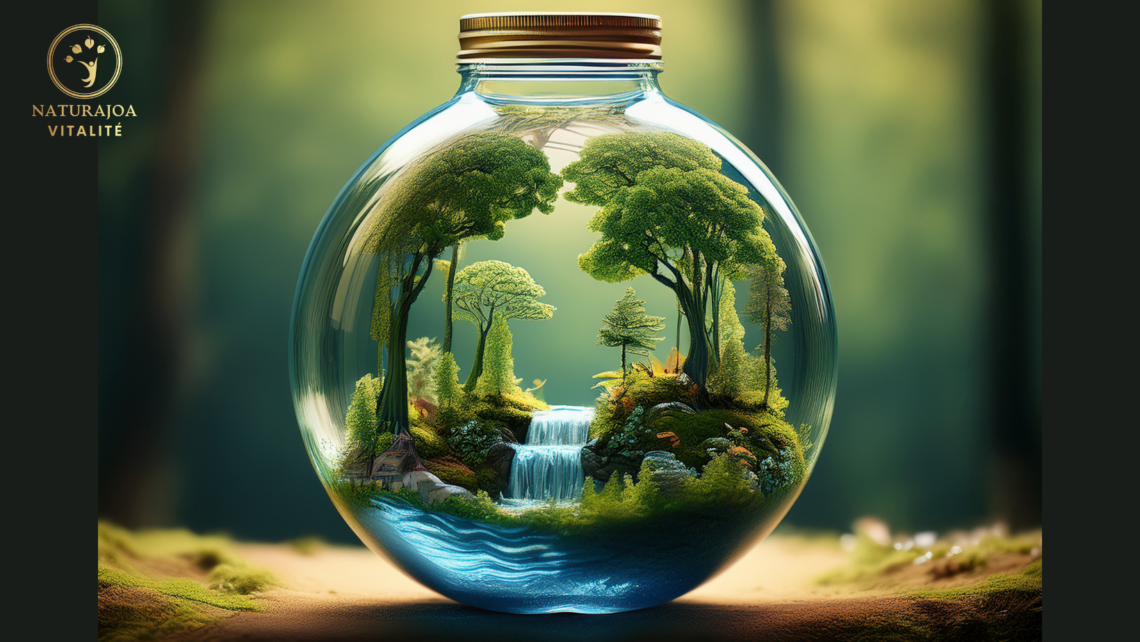
Our body is a living ecosystem. So is the Earth.
And perhaps the solutions that help us regain more energy, vitality and balance in our lives can also inspire us to live differently on our planet.
Without guilt. Without perfection. But with greater awareness.
Every day, we make choices: what we eat, what we buy, what we throw away, how we travel, how we use energy and how we relate to the living world.
What if taking care of ourselves and taking care of the Earth were not two different battles, but two expressions of the same search: vitality?
Two Living Systems, One Shared Need for Balance.

Imagine your body as a small planet.
Billions of cells are constantly at work.
Your heart circulates blood, your lungs exchange gases with the outside world, your digestive system transforms what you eat, your gut microbiome contributes to the balance of your body, your liver and kidneys support elimination, and your brain coordinates countless functions.
You do not consciously think about any of this.
And yet, life is constantly in motion!
Your body breathes:
- It nourishes itself.
- It transforms.
- It eliminates.
- It recovers.
- It regenerates.
- It adapts.
When one of these major balances is disrupted over time, the body may begin to send signals: fatigue, low energy, digestive difficulties, disturbed sleep, slower recovery…
The planet operates according to a surprisingly similar logic.
It also has its major systems: the atmosphere, oceans, forests, soils, waterways, animals, plants, microorganisms and natural cycles that allow life to flow.
The Earth breathes too.
- Forests participate in carbon and oxygen exchanges.
- Oceans regulate part of the climate and shelter an immense diversity of life.
- Living soils transform and recycle organic matter.
- Water continuously circulates between oceans, the atmosphere, soils and living organisms.
Everything is connected.
Just as it is within our own bodies.
🌿 When Balance Becomes a Question of Vitality.

When we talk about health, we generally do not try to make our bodies “perfect.”
Instead, we try to give them the conditions they need to function properly.
- A sufficiently diverse diet.
- Appropriate hydration.
- Movement.
- Sleep.
- Natural light.
- Time for recovery.
- Quality breathing.
- A reasonable exposure to stress.
We intuitively understand that a body constantly pushed without sufficient recovery may gradually lose part of its ability to adapt.
So why would we consider the planet any differently?
The Earth does not need perfect humans.
It needs living systems capable of functioning, renewing themselves and regenerating.
This distinction is essential.
Because it completely changes the way we look at environmental sustainability.
It is no longer simply about asking:
“What should I stop doing to become a better person?”
But rather:
“Which habits allow life to continue to flow?”
This question is much gentler.
And perhaps much more powerful.
Breathing: A Simple Function We All Share.
We hardly ever think about our breathing when everything is going well.
We inhale.
We exhale.
Again and again.
Our breathing accompanies every moment of our existence.
Yet we immediately realize how precious air becomes when breathing becomes difficult.
At the planetary level, air is also a fundamental element of life.
It reminds us of something simple:
some resources are so essential that we only notice them when they begin to disappear or deteriorate.
Water is another.
So is soil.
So is biodiversity.
We can easily take these elements for granted because they have always surrounded us.
But what is natural is not necessarily inexhaustible.
🍃 Our Bodies and the Planet: Two Adaptive Systems.

Our bodies possess an extraordinary capacity for adaptation.
They can respond to changes in temperature, temporary stress, physical effort, occasional lack of sleep or certain variations in our diet.
But adaptation has its limits.
When imbalances become too significant, too frequent or too prolonged, the body may have greater difficulty returning to balance.
Ecosystems also possess this capacity for adaptation.
A forest can regenerate.
Soil can gradually regain fertility.
An animal population can recover when conditions become favorable again.
Nature possesses an extraordinary capacity for regeneration.
But regeneration does not mean the absence of limits.
This may be one of the most important lessons our own bodies can teach us.
🌍 What If Our Way of Consuming Were a Form of “Metabolism” ?

Every day, something enters our body.
- Food.
- Water.
- Air.
Our body then transforms these resources.
Part of them becomes energy, matter, movement and building material.
Another part is eliminated.
Society operates through a comparable process.
We extract resources.
We manufacture.
We transport.
We buy.
We use.
Then we throw away.
In other words, our civilization also has a kind of metabolism.
And, just as with our bodies, one question deserves to be asked:
What happens when we bring more resources into a system than natural systems can renew?
This question does not require guilt.
It simply requires observation.
Because changing our habits does not necessarily mean giving up everything that brings us pleasure.
It may simply mean learning to choose better:
- To consume with greater intention.
- To prioritize things that last.
- To repair rather than replace whenever possible.
- To respect the resources that allow us to live.
- To rediscover simplicity.
And perhaps even to understand that less waste can sometimes mean more freedom, more quality and more vitality.
💚 A New Way of Looking at Everyday Life!
We have often separated two conversations:
human health on one side,
planetary health on the other.
Yet they are deeply connected.
We breathe the same air.
We drink water that comes from the same natural cycles.
We are nourished by what soils, oceans and ecosystems make possible.
We live at the heart of the living world.
So perhaps the question is no longer:
“How do we save the planet?”
But rather:
“How can we create ways of living in which humans and ecosystems have greater opportunities to thrive together?”
This is where another vision of vitality begins.
A vitality that does not stop at the boundaries of our own bodies.
A vitality that connects the individual with their environment.
Global Vitality. 🌍🌿
What if our next evolution were not about consuming more and more…
but about learning to live better with what truly allows us to live?
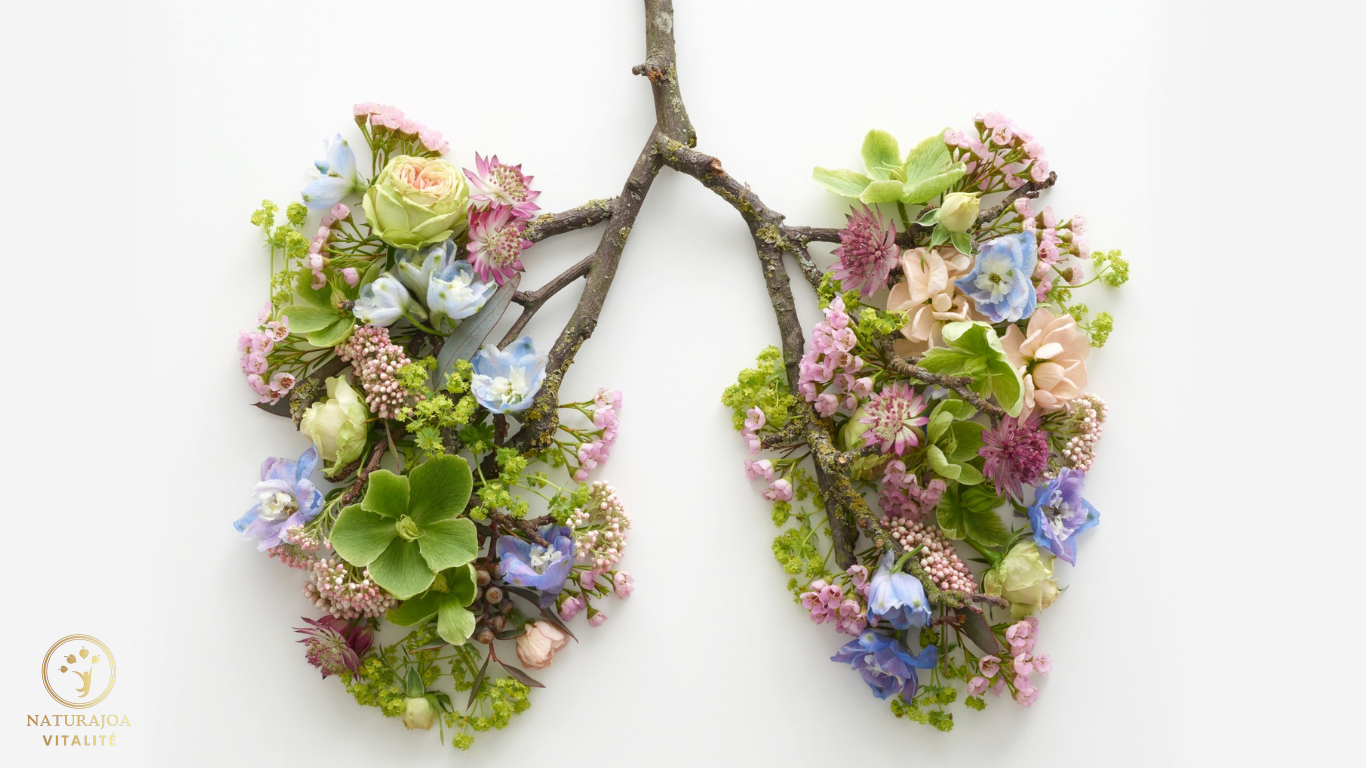
Breathing: When Our Lungs Meet the Lungs of the Planet. 🌍

There is one thing we have been doing since our very first second of life and will continue doing until our final breath.
Breathing.
We inhale.
We exhale.
Approximately twenty thousand times a day.
Most of the time, we do not even think about it.
Our breathing has become so natural that it almost disappears from our awareness.
Yet as soon as our breath becomes more difficult, shorter or uncomfortable, everything changes.
We then realize something essential:
breathing is not a minor detail of our existence. It is a fundamental condition of our vitality.
What if this simple truth could help us look differently at the planet around us?
Our Body Begins With an Exchange!
Breathing is not simply about bringing air into our lungs.
It is a continuous exchange with our environment.
We inhale what surrounds us.
Our body takes what it needs.
Then we exhale what it no longer needs.
With every breath, our body communicates with the outside world.
We are therefore never completely separate from our environment.
Our body is open to the world.
The air entering our lungs comes from the planet.
The water we drink comes from natural cycles.
The food we eat comes from soils, plants, animals, oceans and the work of countless living organisms.
Even our own bodies are made of matter originating from the Earth.
We are not simply “on” the planet.
We are made from it, and we exchange with it continuously.
🌳 What If Ecosystems Were the Lungs of a Much Larger Organism ?

When we think about lungs, we usually imagine two organs inside our chest.
But the breathing of life is much larger.
Plants, forests, oceans, soils and the countless organisms that make them up participate in complex exchanges of carbon, oxygen and other elements essential to ecosystem functioning:
- Trees are not simply beautiful elements of the landscape.
- Oceans are not merely vast bodies of water.
- Soils are not simply the ground beneath our feet.
They are living systems that contribute to the great balances of our planet.
A forest has its roots, fungi, insects, birds, trees and microorganisms.
Soil also has its immense invisible community.
An ocean contains countless forms of life and plays a major role in the great cycles of the planet.
Like our bodies, the Earth functions through a multitude of relationships that we cannot always see.
🌿 The Living World Breathes Together!

Imagine a forest early in the morning!
The air is fresh.
The leaves move gently.
Moisture rises from the soil.
Insects begin their activity.
Birds answer one another.
Roots, fungi and microorganisms continue their invisible work.
Nothing seems spectacular.
And yet, an immense amount of biological activity is taking place.
The forest is not still:
- It lives.
- It exchanges.
- It transforms.
- It stores.
- It releases.
- It recycles.
- It regenerates.
We sometimes tend to see nature as a backdrop in which we live.
But an ecosystem is not a backdrop.
It is a living system.
And when we understand this, our relationship with our environment can gradually change.
🌬️ The Quality of Our Environment Influences Our Quality of Life.

We intuitively know that a pleasant environment can make us feel better.
A walk through a forest.
A day by the ocean.
Fresh mountain air.
A garden after the rain.
The sun on our face.
Contact with trees and natural spaces.
These experiences are not merely aesthetic.
They remind us that our bodies are constantly interacting with their environment.
Our modern lifestyle allows us to live with an extraordinary level of comfort.
But it can also distance us from certain fundamental realities: we need air, water, light, movement, nature and recovery rhythms.
We are biological beings before we are consumers.
This sentence may be worth remembering.
♻️ Breathe — But Also Let Life Breathe.

There is another interesting analogy with our bodies.
Imagine that we ate constantly without giving our digestive system enough time to process what we provide it.
Imagine constantly pushing our bodies without recovery.
Imagine accumulating endlessly without ever eliminating.
Our bodies have mechanisms of balance:
- They transform.
- They use.
- They recycle.
- They eliminate.
- They recover.
- They adapt.
The planet also has cycles.
But when a system continuously receives more materials or substances than it can transform, absorb or renew, maintaining balance can become increasingly difficult.
This brings us to a very simple question:
What if we learned to place less pressure on the living systems we depend on?
Not through fear.
Not through guilt.
But simply through intelligence.
🛍️ Our Way of Living Also Begins With Our Habits !

Environmental sustainability is often presented as a long list of prohibitions:
- Stop buying this.
- Stop using that.
- Stop travelling this way.
- Stop consuming this.
This kind of message can quickly create fatigue, or even a feeling of powerlessness.
Yet taking care of our health generally does not work that way.
When we want to regain our vitality, we do not necessarily try to remove all pleasure from our lives.
Instead, we try to create an environment that is more supportive of our bodies.
We can apply the same logic to our relationship with the planet!
Buy less, but better.
Choose things that last.
Reuse whenever possible.
Repair.
Avoid unnecessary waste.
Choose more whole, minimally processed foods.
Rediscover home cooking.
Walk whenever possible.
Use resources with greater awareness.
Support businesses developing more sustainable models.
And above all:
Do not seek perfection.
One habit at a time can already transform our everyday lives.
🌱 Simplicity Can Also Be a Form of Vitality!

We sometimes associate quality of life with accumulation:
- More choices.
- More possessions.
- More consumption.
- More novelty.
- More stimulation.
But our bodies teach us something different.
There is a difference between being nourished and being overloaded.
Between being stimulated and being exhausted.
Between having access to many things and actually needing many things.
This distinction can transform the way we consume.
What if a more conscious life did not necessarily mean a life with less pleasure…
but a life with less excess and more meaning?
Perhaps true wealth does not always lie in what we possess.
It may also lie in what we preserve:
- Our energy.
- Our time.
- Our health.
- Our relationships.
- Our environment.
- Our planet.
🌍 One Breath, Multiple Levels of Life!

When we breathe today, we do not think about the origin of every molecule of air entering our lungs.
We simply breathe.
But behind this apparently ordinary action lies an immense biological story:
- Plants.
- Oceans.
- Microorganisms.
- Natural cycles.
- Billions of years of evolution.
And we are part of this story.
Perhaps this is what Global Vitality ultimately means:
understanding that our individual well-being does not float above the living world.
We are part of it.
Our body is an ecosystem:
- The forest is an ecosystem.
- The soil is an ecosystem.
- The ocean is an ecosystem.
And all these systems are connected.
When we protect the conditions that allow life to breathe, we also protect the conditions that allow us to live.
So perhaps the question is no longer only:
“What can I do to reduce my impact?”
But also:
“What can I do to create more vitality around me?”
Because there is an immense difference between acting only out of fear of destruction…
and consciously choosing to help life flourish.
What if the way we breathe, consume and live could become a contribution to this collective breath?
The Earth breathes.
We breathe.
And perhaps it is time to feel again that these two realities are not separate.
Nourish the Body, Nourish the Earth. 🌱🥗

Every day, we eat.
Sometimes because we are hungry.
Sometimes for pleasure.
Out of habit.
For connection and shared moments.
And sometimes simply because it is time for a meal.
But behind every bite lies a story much greater than what we see on our plate.
A seed was planted.
Soil nourished it.
Water flowed.
Insects pollinated.
Microorganisms worked.
A plant captured the energy of the sun.
A farmer cultivated it.
People harvested, transformed, transported and prepared it.
Then this food reached us.
Our meal is therefore much more than a source of calories.
It is a meeting point between our body and an immense web of life.
🥗 Our Body Does Not Simply Eat Food.

When we eat, our body does not simply receive proteins, carbohydrates, fats, vitamins and minerals.
- It receives information.
- It receives raw materials.
- It receives energy.
And it also nourishes a living universe that we carry within us: our gut microbiome.
Billions of microorganisms live in our digestive system and participate in a complex ecosystem.
Our diet influences this environment.
The diversity of what we eat can therefore be particularly important.
This reminds us of something essential:
health is not only a question of quantity. It is also a question of diversity and balance.
And this principle leads us directly back to the planet.
🌱 Our Gut Microbiome and Biodiversity: Two Worlds That Resemble Each Other.

Imagine an intestine with extremely low diversity.
Few species.
Little variety.
An environment dominated by a few organisms.
Now imagine, by contrast, a rich and diverse ecosystem made up of countless species interacting with one another.
This second image more closely resembles what we observe in a living natural environment.
A healthy forest is not made up of a single tree species.
Living soil is not made solely of mineral matter.
A thriving garden does not depend on a single organism.
Diversity creates interactions.
And interactions create resilience.
This does not mean that our gut microbiome and a forest function in exactly the same way.
But the analogy gives us a beautiful way to understand a principle shared by living systems:
A living system often becomes richer when it can welcome diversity.
🌾 Before Food Reaches Our Plate, It Passes Through the Soil !
We talk a lot about nutrition.
But we sometimes talk much less about what comes before nutrition:
the soil.
Yet a large part of our food begins there.
Beneath our feet lies an extraordinary world of bacteria, fungi, insects, worms and other organisms.
They contribute to the decomposition of organic matter, nutrient cycles and ecosystem functioning.
Soil is therefore not simply a surface on which plants grow.
It is a living environment.
And like our gut microbiome, much of its functioning remains invisible to our eyes.
We can easily forget what we cannot see.
Yet a large part of vitality is precisely rooted in this invisible world.
🍎 Quality Sometimes Begins Long Before Our Plate.

When we choose a food, we generally look at its taste, price, ingredients, origin or convenience.
But we can also ask ourselves another question:
In what living system was this food produced?
This does not mean that we need to become agricultural experts.
It simply invites us to look at our food with a little more perspective.
A fruit, vegetable, grain, legume or plant-based oil did not simply appear on a supermarket shelf.
It is the result of a system.
And our food choices directly or indirectly contribute to maintaining certain production models.
🌍 Every Meal Is a Small Vote for the World We Want !
This sentence may sound ambitious.
Yet our consumption genuinely influences markets.
When we buy something, we create demand.
And when millions of people make similar choices, that demand becomes an economic signal.
This does not mean that responsibility lies solely with the consumer.
Farmers, businesses, distributors, governments and infrastructure obviously also play major roles.
But it means that we have a small capacity to act.
And we can use that capacity without giving up pleasure.
🍓 Eating Better Does Not Mean Eating Perfectly.

It would be unfortunate to turn health and environmental sustainability into another source of pressure.
There are already enough demands in our everyday lives.
Eat perfectly.
Shop perfectly.
Exercise perfectly.
Sleep perfectly.
Consume perfectly.
Live perfectly.
Life does not work that way.
Our bodies themselves experience variations.
We have days when we eat very balanced meals.
Others when we pay less attention.
- We go to a restaurant.
- We share a dessert.
- We celebrate.
- We travel.
- We enjoy ourselves.
And that is also part of a balanced life.
The goal is therefore not to create a rigid diet.
It may simply be valuable to build an overall pattern that supports our vitality while showing greater respect for the resources that nourish us.
🌿 More Diversity on Our Plate, More Diversity in Life !

Vary the foods you eat.
Discover forgotten vegetables.
Include more plant foods when this matches your needs and choices.
Choose minimally processed foods whenever possible.
Cook more often.
Buy locally when it makes sense.
Choose seasonal products.
Reduce food waste.
Make the most of food rather than wasting it.
All these actions may seem small.
But they have something in common:
they reconnect us with the food cycle.
We no longer simply eat a product.
We begin to perceive a story:
- A season.
- A place.
- A farmer.
- A soil.
- A plant.
- An ecosystem.
🐝 What If Our Plate Could Also Welcome Biodiversity ?
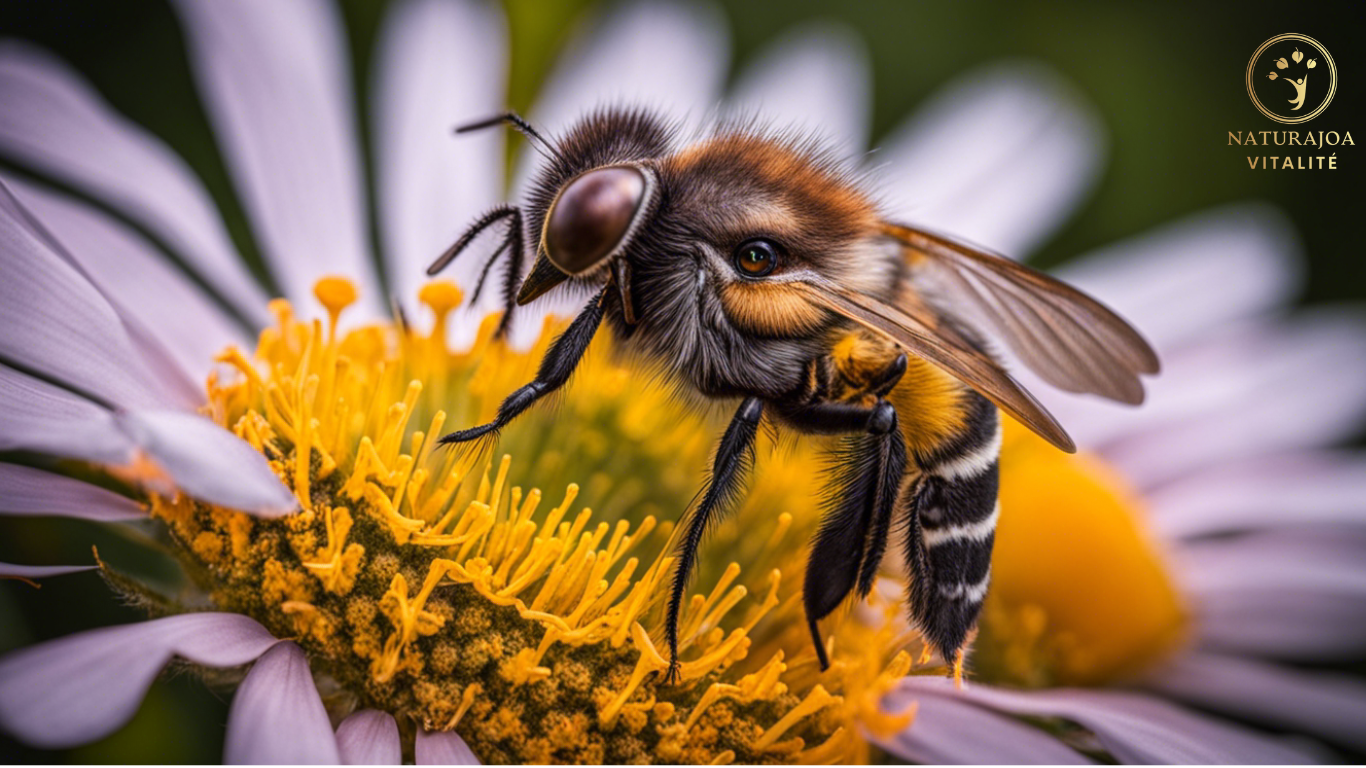
Biodiversity is not an abstract concept reserved for scientists.
It sometimes begins very close to us:
In a garden.
On a balcony.
In a vegetable garden.
In a hedge.
In an orchard.
In a field.
In the soil.
A simple green space can become a refuge for insects, birds and countless small organisms.
Plant different species.
Leave part of a garden a little wilder.
Protect certain flowers.
Avoid trying to control every inch of nature.
Create spaces where life can move and thrive.
These are simple actions.
They may not change the world on their own.
But they change something around us.
And sometimes transformation begins precisely at this scale.
💚 Our Food Can Become an Act of Vitality !
We tend to separate health and environmental sustainability.
As if we had to choose between:
“taking care of myself”
and
“taking care of the planet.”
But a diet based more on diversity, quality, seasonality and reducing food waste can sometimes bring these two dimensions closer together.
Again, this is not about searching for a perfect or universal diet.
Every person has their own needs, culture, preferences, budget, lifestyle and sometimes specific constraints.
Vitality also begins with the freedom to discover what works for us.
But this freedom can come with a new question:
Can what nourishes my body also, whenever possible, show greater respect for the living system that made this food possible?
This question does not require guilt.
It simply requires awareness.
🌍 From the Gut Microbiome to the Planet !

Our bodies teach us a beautiful lesson.
We do not live alone.
We live with billions of microorganisms.
We depend on invisible relationships.
Our balance relies on a multitude of interactions.
The planet teaches us exactly the same humility.
We depend on insects we barely notice.
On organisms in the soil that we cannot see.
On plants that we sometimes see as nothing more than scenery.
On oceans of which we perceive only a tiny fraction.
On natural cycles that function without asking for our permission.
Life is not a collection of separate individuals.
It is a network of relationships.
And our plate is one of the places where this reality becomes most tangible.
🌱 Nourish Life Rather Than Simply Consume.

Perhaps the next evolution in our relationship with food will not be about finding more and more products.
Perhaps it will be about finding more meaning in what we eat.
Understanding the seasons.
Rediscovering simple foods.
Respecting producers.
Reducing waste.
Appreciating what we have.
Sharing.
Cooking.
Growing food whenever we can.
And above all, rediscovering this extraordinary feeling:
we are not separate from the living world.
We are part of it.
Every meal nourishes our body.
But it also tells a story about the world we want to live in.
And perhaps a truly “Global Vitality” approach to nutrition could pursue two goals at once:
🫀 Nourish the human body.
🌍 Preserve the conditions that allow the living world to continue nourishing us.
Because ultimately, caring for what is on our plate…
is also, in a way, caring for the world behind it.
We do not need to be perfect to change things. We need to realize that every habit is a signal sent to our own body… and to the living system that nourishes us.
Did you enjoy “ What If the Earth Needed What Our Body Needs? When Human Vitality Meets Planetary Health ”?
Here are 8 other articles you may enjoy:
-
-
- World Peace: The Result of Our Inner Vitality.
- Hateful Speech: When Your Vital Energy Is Crying Out for Nourishment.
- From Utopia to Vitality: Comfort Weakens, Challenge Regenerates. Daily Hormesis: When Discomfort Becomes Our Superpower.
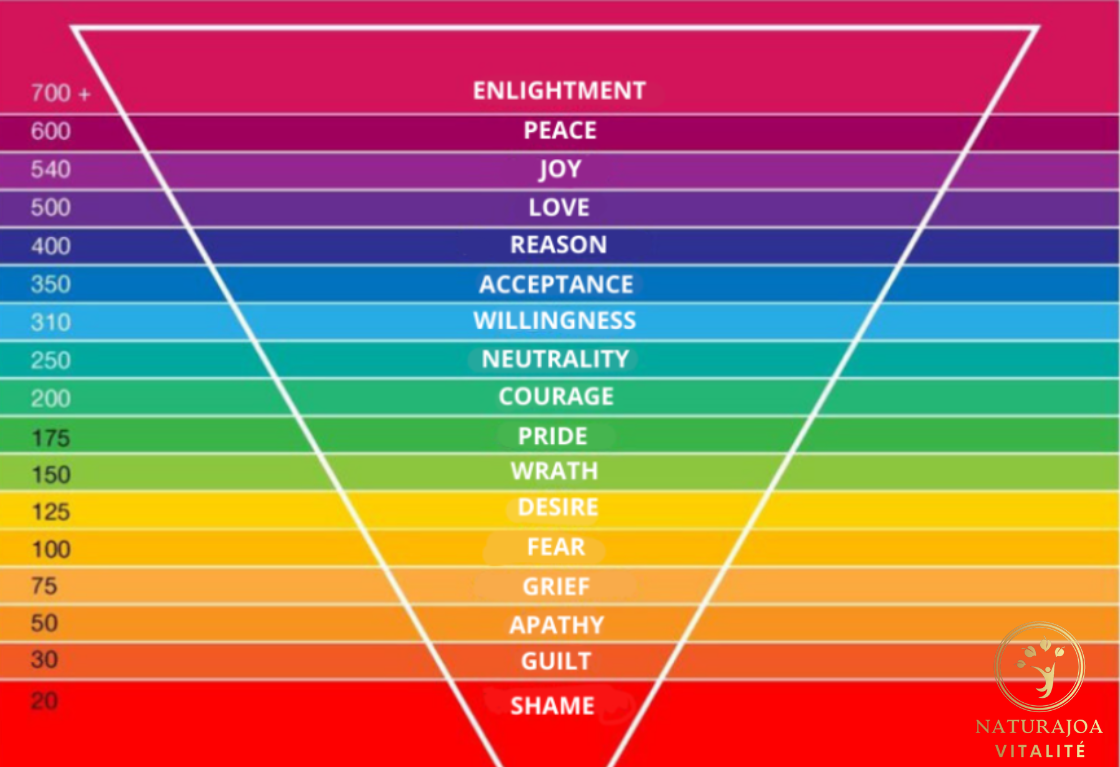
- Hawkins’ Scale of Consciousness: A Key to Lasting Peace.
- The Power of Holistic Cleansing: Aligning With the Laws of Nature.
- Global Vitality Through Dynamic Economic Cooperation.
- Cultivating Spiritual Strength for Sustainable Global Vitality.
- Two Forces, One Humanity: Understanding the Shadow to Choose the Light.
-
This was: “ What If the Earth Needed What Our Body Needs? When Human Vitality Meets Planetary Health ! ”.

P.S. If you enjoyed this article, click Follow the Page and share it. I would be delighted 🙂
Click “Follow the Page” so we can connect on Facebook 🙂
Discover My Power eBooks ✨
If these words awakened something within you, I gently invite you to go a little further.
My eBooks accompany you on the path towards stronger, brighter and more conscious energy,
in harmony with life and the planet.
Joanna Anna Romanowska – naturajoa.com
Global Vitality · Respect for Life · Joy of Living

🐉✨ Discover My Power eBooks
With my animals by my side, I invite you to discover my power eBooks.
Each page was created to awaken your deep energy, elevate your awareness and help you transform your life
with softness, clarity and joy.
🌍 Welcome to the Naturajoa universe: vitality, love and transformation.
Joanna Anna Romanowska • naturajoa.com
The information shared on this website is provided for informational purposes only and is based on personal experience and research in natural health.
It does not constitute medical advice.
For any health concern, please consult a qualified healthcare professional.
My intention is to share, inspire and contribute to a Global Dialogue on Vitality and Well-Being.
Disclaimer
The content, advice, programs and support offered by
Naturajoa Vitalité — Joanna Anna Romanowska are intended to inform,
inspire and support a holistic approach to well-being and vitality.
They do not constitute a medical diagnosis, medical treatment
or personalized medical advice and do not replace consultation with a physician
or qualified healthcare professional.
Each person remains fully responsible for their choices and decisions,
for how they apply the information provided and for their physical,
emotional and psychological responses.
The guidance provided is intended to offer tools, perspectives and knowledge,
but cannot guarantee any specific result, as outcomes depend on many individual factors
including health status, lifestyle, environment and personal commitment.
By participating in programs, reading content, taking part in challenges or applying
the shared recommendations, the client acknowledges that they are acting consciously and under their own responsibility.
Naturajoa Vitalité and Joanna Anna Romanowska cannot be held responsible
for any adverse effect, damage, injury, loss or direct or indirect consequence
resulting from the use of the information or recommendations provided.
It is recommended to seek advice from a physician or qualified healthcare professional
before making significant changes to your diet, physical activity or lifestyle,
particularly in cases of pregnancy, illness, ongoing treatment or a specific medical condition.


You May Also Like
Comprendre l’Énergie Vitale pour Mieux Coopérer : L’Échelle de Conscience de Dr. Hawkins comme Guide.
Santé Globale et Ordre Naturel : Quand l’Équilibre Devient un Acte Citoyen. Progrès et Respect : Vers un Nouvel Ordre Écologique et Social.